Description
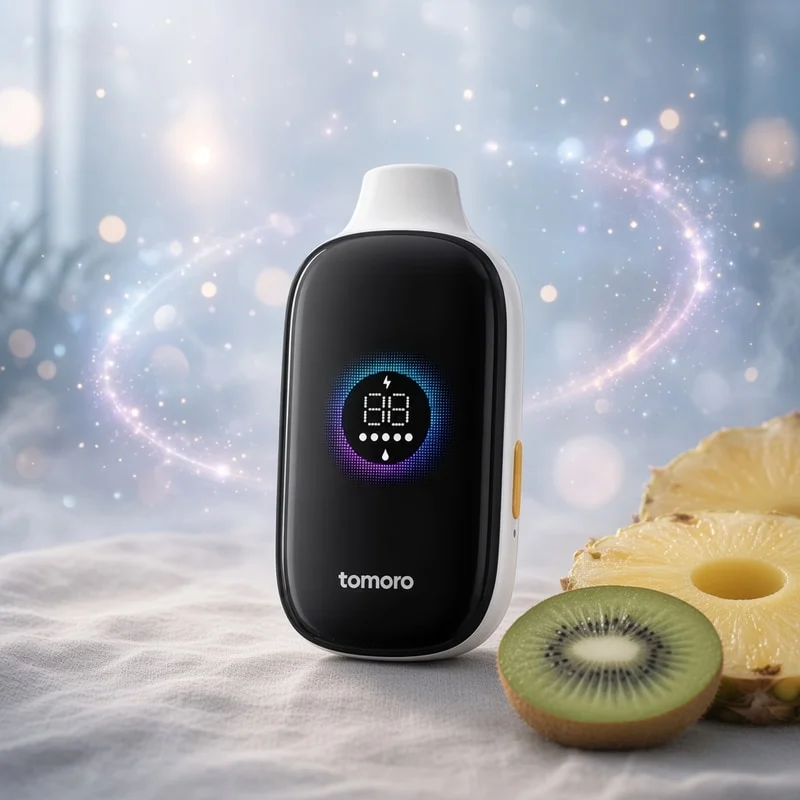
This dedicated TOMORO MAX 15000 Kiwi Pineapple page brings together its taste profile, product photographs, current stock status and live purchasing information.
TOMORO MAX 15000 Kiwi Pineapple at a glance
TOMORO MAX 15000 Kiwi Pineapple is the tart-to-sweet tropical pairing described as moving from greener kiwi toward brighter pineapple; that is a flavour reading, not a guaranteed sequence. Australian adults aged 18+ can view local stock through Vapes ALIBARBAR Australia here. The TOMORO MAX 15000 parent page holds shared specifications, mode information and the complete choice set.
The description published for this flavour claims it opens greener and then moves toward sunny sweetness. That is a more specific claim than most manufacturers make, and it describes a real structural choice rather than a vague impression.
It is also accurate, which is worth confirming before buying — a flavour that changes direction mid-draw behaves differently from one that does not, and it is worth knowing which you are getting.
The green opening
Kiwi leads, and it is the green kind.
That distinction matters more than it sounds. Green kiwi is tart, with a bright acidity and a distinctly grassy almost unripe note; gold kiwi is sweet, tropical and closer to a mango. A blend built on one is a different flavour from the same blend built on the other.
This is green kiwi, and the opening is properly sharp. The acidity hits the sides of the tongue, the grassy note comes right behind it, and there is the faint starchy quality that green kiwi's white core has. It is the least sweet moment in the entire draw.
The seeds contribute a light peppery bitterness at the edges, which is the same kind of realism that citrus pith provides. It is small and it works.
The turn
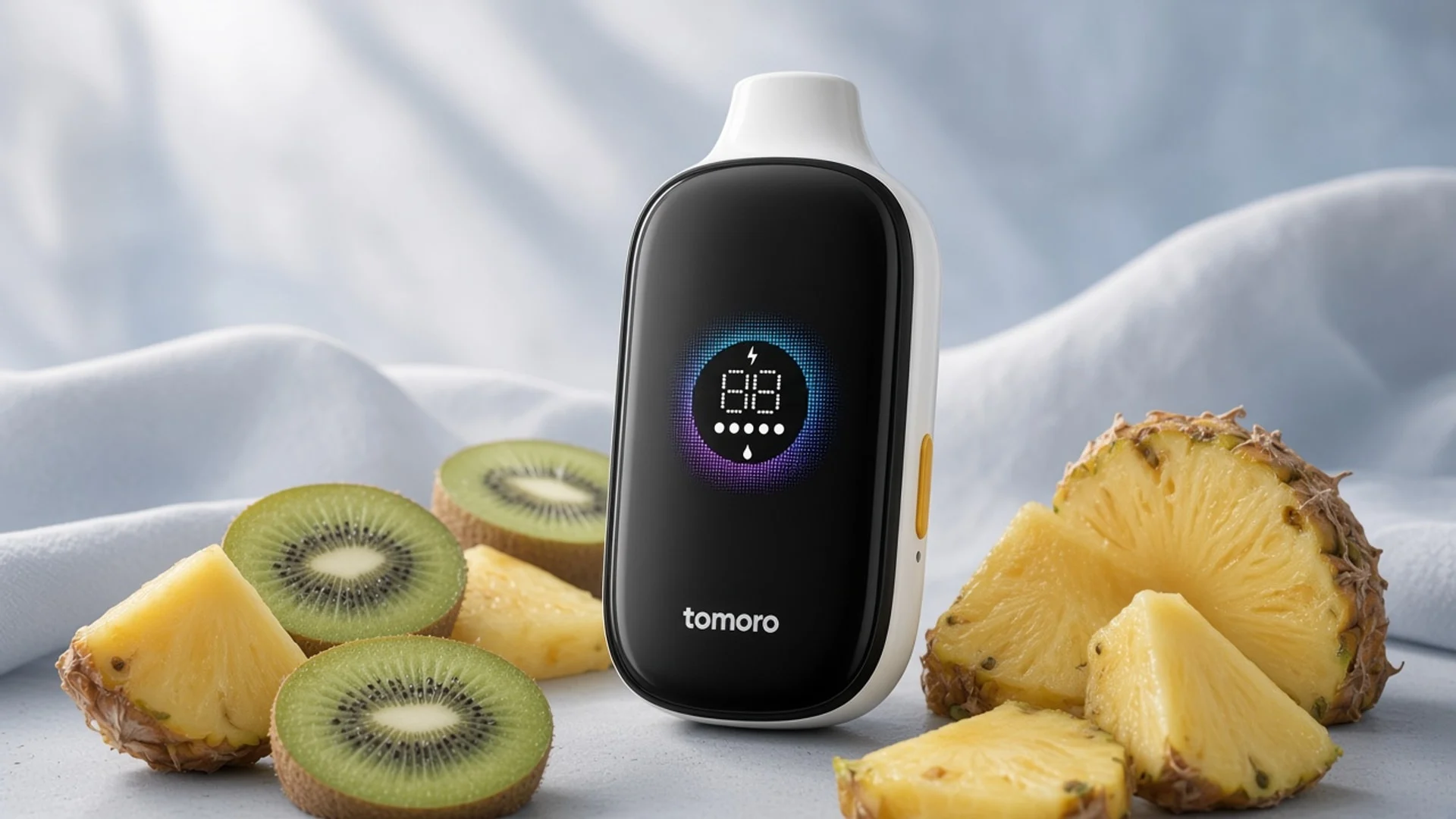
About halfway through the draw the character changes, and the change is clear.
The kiwi's acid recedes and pineapple comes forward — a ripe, sweet, slightly acidic pineapple with the faint sharp bite that real pineapple has at the core. It is not the sugary canned version; there is enough acidity left to keep it from being flat.
"Sunny" is a fair description. The flavour moves from something sharp and green to something round and warm, and the transition is quick enough to be noticeable and slow enough not to feel like two separate liquids.
| Stage | Character | Acid level |
|---|---|---|
| Opening | Green kiwi, grassy, tart | High |
| Transition | Acid receding, fruit arriving | Falling |
| Finish | Ripe pineapple, sweet and warm | Low-moderate |
Why the two-stage structure works
It gives the flavour contrast without conflict.
The usual way to add interest to a sweet fruit is to pair it with something sharp, and the usual failure is that the sharp element fights the sweet one. Here they are separated in time, so the kiwi gets its moment and the pineapple gets its own and neither has to compromise.
That also means the flavour does something useful at both ends of a long session. Early on, when your palate is fresh, the pineapple's sweetness is the pleasure. Later, when sweetness has stopped landing, the kiwi's acid — which does not fatigue — is still doing work.
It is the same principle that makes Grape Lemon work, applied to a tropical fruit pairing rather than a citrus one.
The pineapple is the better half
The kiwi is good and the pineapple is better.
Ripe pineapple has a specific character that is difficult to render: the sweetness is obvious, but what identifies it is a faint sharpness near the core combined with a slightly fermented aromatic quality. Get the sharpness wrong and it becomes canned pineapple syrup; get the aroma wrong and it becomes a generic tropical sweet.
This gets the sharpness right. The pineapple is recognisably pineapple rather than tropical sugar, and it holds that identity through to the finish.
What it does not have is much of the fermented aromatic depth, so it reads as fresh pineapple flesh rather than as the whole fruit. That is a fair trade for staying clean.
Where the modes matter
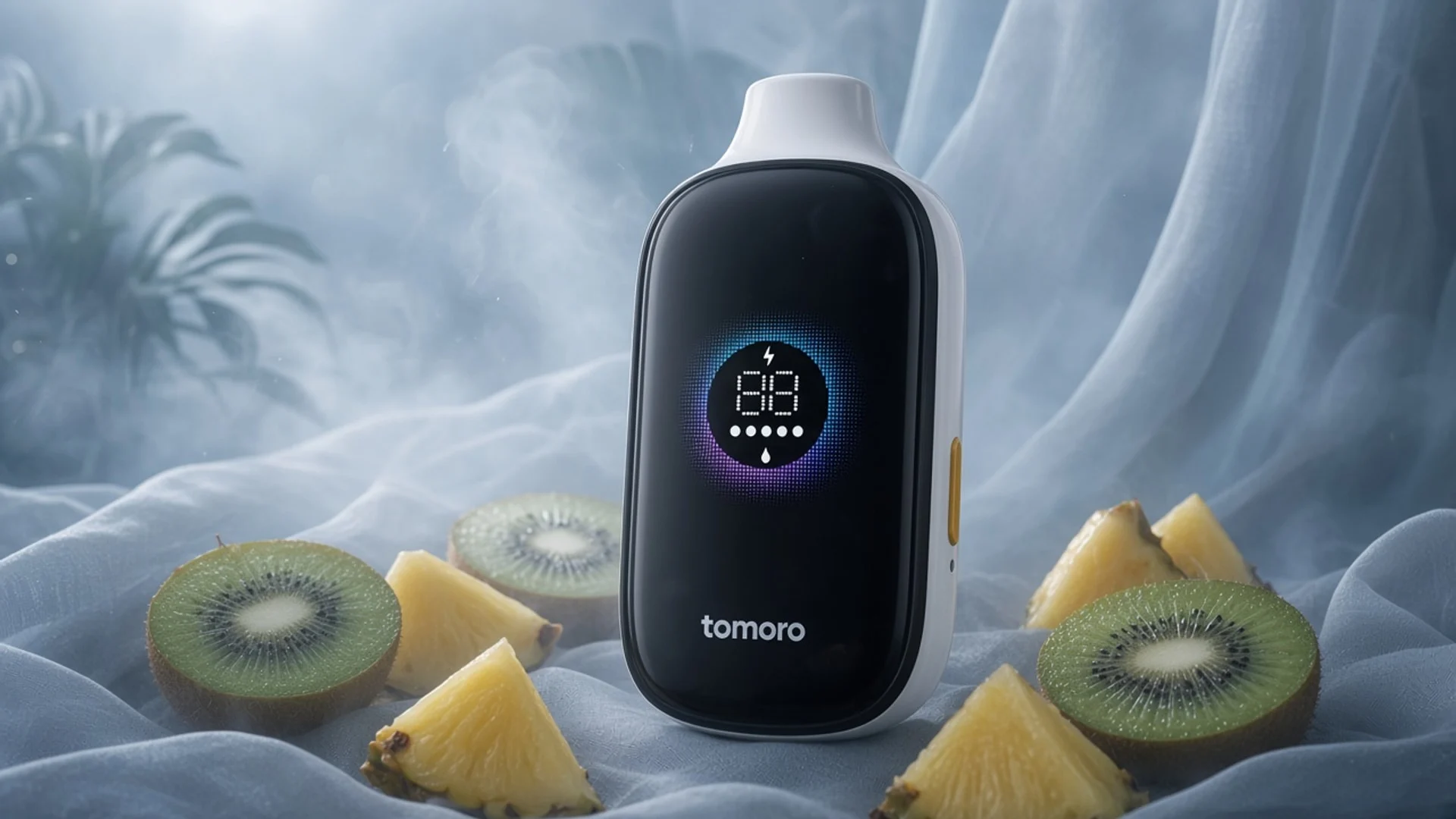
The TOMORO MAX's two output settings change the balance of this one in a way worth planning around.
In standard mode the kiwi's green opening is slightly muted and the pineapple dominates earlier — the turn happens sooner and the overall impression is sweeter.
In higher-output mode the kiwi's sharp, grassy character is lifted by the extra warmth and the opening lasts longer. The turn is later and more clearly defined. If what appeals to you about this flavour is the green-to-golden movement, the higher-output mode shows it better.
The cost is that the higher-output setting uses the liquid faster, so the device will not last as long.
Who Kiwi Pineapple suits on the TOMORO MAX 15000
Buy it if you want a tropical that is not uniformly sweet.
Buy it if you like green kiwi — the tartness is real and the grassy note is accurate.
Buy it if you want a flavour with a clear structure you can follow.
Skip it if you want sweet throughout. The first half is genuinely tart.
Skip it if grassy green notes read as unripe to you. That is the opening.
Against the tropical options here
- Kiwi Pineapple — green then golden, two clear stages, moderate sweetness.
- Passion Fruit Mango Lime — three stages, funkier, more aromatic.
- Mango Boom — single fruit, uniformly sweet and dense.
- Strawberry Coconut Watermelon — creamy, no acid at all.
Kiwi Pineapple is the tartest tropical on the range.
How kiwi pineapple holds up (TOMORO MAX 15000)
Well, because the acid carries it.
The grassy kiwi note is the most volatile element and it softens over time, which shifts the balance toward the pineapple. The flavour becomes sweeter and less structured as the device goes on, but the kiwi's acidity persists longer than the grassy character does, so it never collapses into plain sugar.
That is the right way round. You lose the most delicate part first and keep the structural part, which is what stops it from becoming cloying.
Ordering Kiwi Pineapple on the TOMORO MAX 15000
The live purchase area above shows today’s TOMORO MAX 15000 Kiwi Pineapple price and stock status, so it stays accurate when an offer changes. Displayed product pricing includes GST and eligible orders leave Australian local stock.
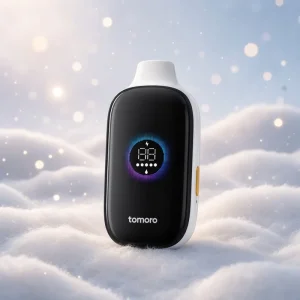
Kiwi Pineapple is a common pairing across this catalogue and the versions differ mainly in which kiwi they use — several are considerably sweeter because they use the gold variety. Confirm the listing photograph shows the wider curved MAX chassis with its colour display. TOMORO MAX 15000 is not an IGET One and not an ALIBARBAR device.
Two puff figures are published for this series because the standard and higher-output modes differ. Neither is a promise about your individual unit.
A finished device holds a sealed battery that cannot be removed, so battery recycling is the right endpoint rather than the household bin.
Questions about TOMORO MAX 15000 Kiwi Pineapple
Is kiwi pineapple green kiwi or gold kiwi?
TOMORO MAX 15000 Kiwi Pineapple is described with a tart, green-kiwi-style opening rather than a softer gold-kiwi direction; this does not verify a fruit ingredient or variety.
Does it really change direction?
The page gives Kiwi Pineapple a clear transition from sharper kiwi-style character to a rounder, sweeter pineapple-style finish.
Is it sour?
Kiwi Pineapple is tart at the opening and sweeter at the finish. Compare the other tropical profiles on the TOMORO MAX 15000 parent page.
Kiwi Pineapple delivers on its description: a tart green kiwi opening that turns into ripe sweet pineapple, with the acidity carrying the flavour long after the sweetness would have given up. It is the tartest tropical on the TOMORO MAX range.
Reviews
There are no reviews yet.